
Prepping vs. Homesteading: Understanding the Differences & Similarities
In today’s uncertain world, more people are turning to self-reliance—whether that’s through prepping for emergencies or homesteading for a sustainable lifestyle. While the two approaches share a lot of common ground, they have distinct philosophies, goals, and methods. Understanding the differences (and the overlap) can help you decide which path—or combination—is right for you.
What is Prepping?
Prepping is the practice of preparing for potential emergencies, disasters, or disruptions in daily life.
Preppers focus on readiness and resilience, often stockpiling food, water, medical supplies, and gear to ensure survival when normal systems fail.
Common Traits of Preppers:
- Build emergency food storage that lasts months to years.
- Keep water purification systems and backups.
- Maintain self-defense tools and security plans.
- Use checklists and contingency plans for multiple scenarios.
- Often think in terms of “what if” planning for sudden crises.
What is Homesteading?
Homesteading is a lifestyle centered on self-sufficiency and sustainability, usually on rural or semi-rural land.
Homesteaders focus on producing what they need rather than buying it—raising livestock, growing food, preserving harvests, and often generating their own power.
Common Traits of Homesteaders:
- Grow vegetables, fruits, and herbs.
- Raise chickens, goats, cattle, or other livestock.
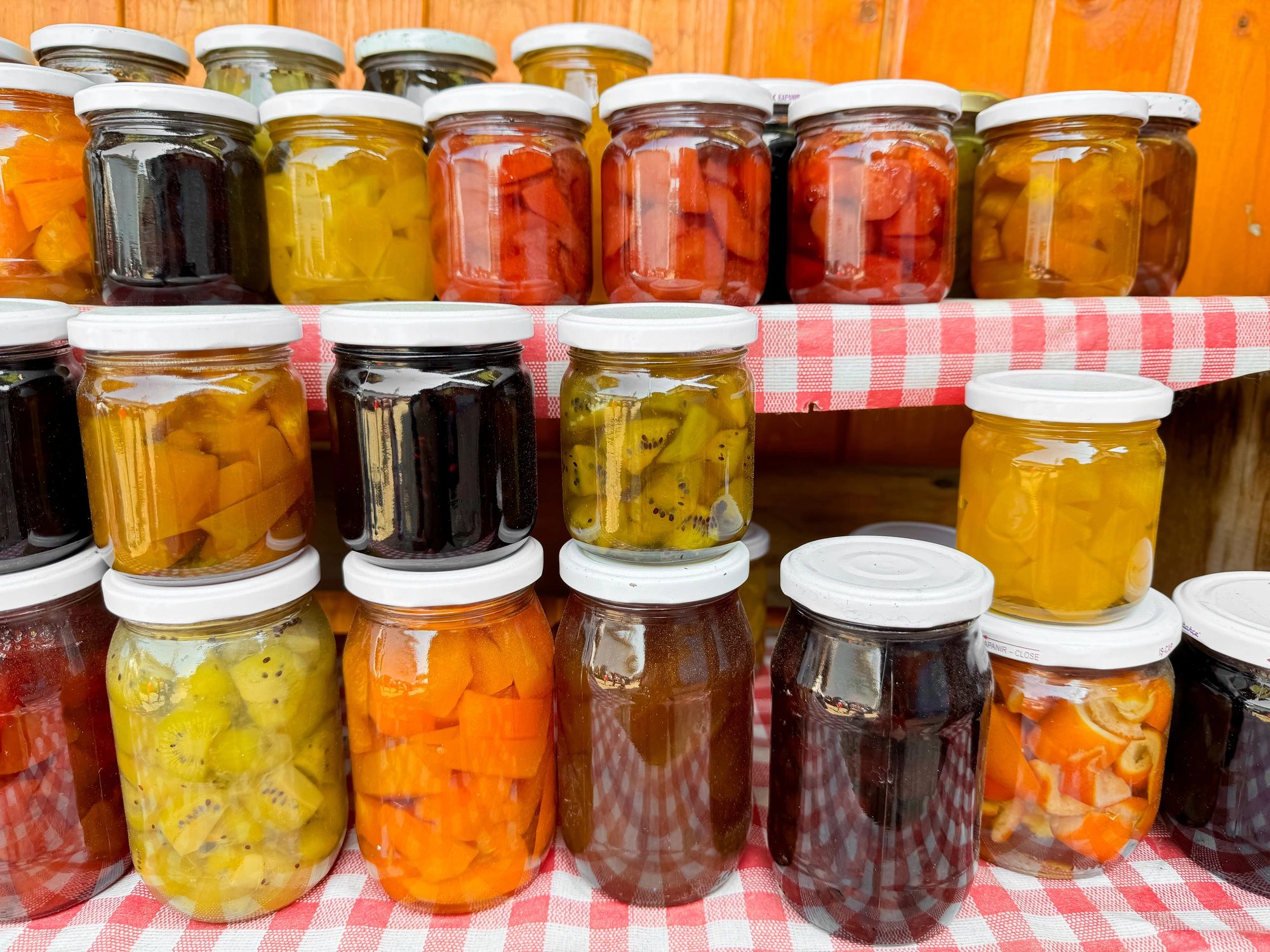
- Practice food preservation—canning, dehydrating, fermenting.
- Use renewable energy sources like solar or wind.
- Engage in DIY building, repairs, and crafting.
Key Differences Between Prepping and Homesteading
| Prepping | Homesteading |
|---|---|
| Focuses on stockpiling & storing resources. | Focuses on producing & renewing resources. |
| Short-term and long-term emergency readiness. | Ongoing daily self-sufficient living. |
| Often works in urban, suburban, or rural settings. | Primarily practiced in rural or semi-rural settings. |
| Gear-heavy, technology and tools for survival. | Skill-heavy, knowledge and practice for production. |
| Scenario-driven: preparing for what might happen. | Lifestyle-driven: living this way all the time. |
Where Prepping and Homesteading Overlap
Despite their differences, prepping and homesteading are deeply connected—and many people do both.
Shared Principles:
- Self-reliance – Not depending solely on outside systems.
- Food security – Having access to safe, healthy food no matter what.
- Skill development – Learning how to cook from scratch, grow food, repair gear, and stay safe.
- Emergency readiness – Both groups value being prepared for storms, power outages, and supply chain disruptions.
- Resilience mindset – The belief that preparation today makes life safer tomorrow.
Which One is Right for You?
- If you want to protect your household against emergencies but don’t necessarily want to farm or raise livestock, prepping may be your best starting point.
- If you want to live a long-term, sustainable lifestyle producing much of what you consume, homesteading may be the path for you.
- Many rural families combine both—homesteading for daily needs and prepping for the unexpected.
Final Thoughts
Prepping and homesteading aren’t mutually exclusive—they’re two sides of the same self-reliance coin. Whether you’re stocking a year’s worth of emergency supplies or tending a backyard garden, both paths help ensure your family’s security, comfort, and independence.
If you’re ready to explore either lifestyle—or blend them together—start small, stay consistent, and keep learning. Self-reliance isn’t built overnight, but each step brings you closer to a life where you can handle whatever comes your way.